
#6 Neighboring, Neverwhere, Teaching While White, and BLK History Month

Quotes and Things
“I'm going to go home. Everything is going to be normal again. Boring again. Wonderful again.”
― Neil Gaiman in Neverwhere
As I write this Thursday evening, I just arrived back home after being forced out by the winter storms and resultant house damage. I am definitely ready for everything to be boring again, and maybe even wonderful again.
My family and I were so fortunate to be able to stay with my parents while we awaited plumbing repairs, and before that while we waited out the cold when our own home had no power. I am fortunate that we had a place to go, that we had gas in our car to get us there, that we have an emergency fund to spend on repairs.
But so many of my neighbors don’t. A local restaurant that has been closed during the pandemic opened its doors as a warming spot and then as a free water and food distributor, but they couldn’t quite meet the enormous needs of the people in our neighborhood, most of which went without power for at least three days. I was glad my neighbors were taking care of our neighbors, as I could only cheer them on from miles away, dealing with my own health issues.
This whole apocalyptic event has made me want to be a better neighbor. We have been on our block for 9 years. There was a time we knew nearly everyone, would even organize parties or dinners. But after a few years, nearly everyone on the block moved, new people entered. And due to a combination of health issues, busyness, and complacency — we still don’t know many of these new neighbors.
“Young man," he said, "understand this: there are two Londons. There's London Above―that's where you lived―and then there's London Below―the Underside―inhabited by the people who fell through the cracks in the world. Now you're one of them. Good night.”
― Neil Gaiman in Neverwhere
So now that I’m back, and maybe after it stops raining, I think I’ll be the weird neighbor that goes door to door (properly masked, of course) and at least learn their names, exchange phone numbers, see if they need help, or if they want to organize to help others. Basically, I don’t want anyone on my block falling through the cracks.
Book Review
Neverwhere by Neil Gaiman
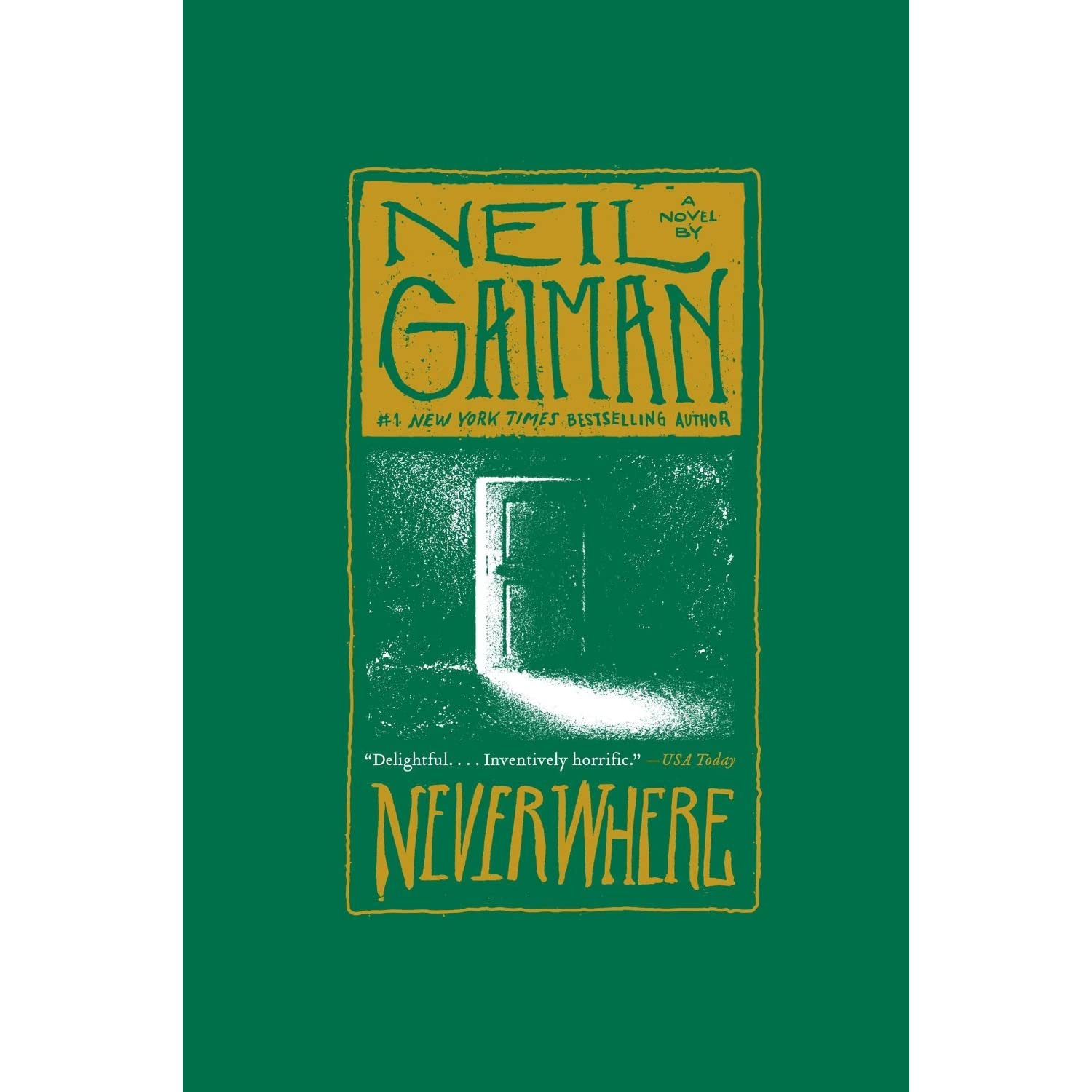
Richard Mayhew is an ordinary man, living an ordinary life in London until he stumbles upon a girl bleeding on the sidewalk and decides to help her. Then he is thrust into the world of London Below, a place for all the people who have fallen through the cracks of society — a magical, quirky, dangerous, and hidden world from London Above.
I don't really want to say more about the plot because most of the joy in this book is from wandering around London Below and discovering the strange rules (and creatures) of this hidden society. There is a plot, and a mystery, but Gaiman takes his time traveling through this fantastical world, and it is a joy to follow him. I listened to the audiobook read by the author, and he is the perfect storyteller for this kind of tale.
This is strictly fantasy for adults though. People die in sometimes gruesome ways. There is language. And London Below, for all its fantastical elements, is also a pretty harsh world. I have read a few Gaiman novels like The Graveyard Book, that I enjoyed immensely and The Ocean at the End of the Lane, which I thought was well-written, but just didn’t land for me. You can always tell a Gaiman novel for its darkly fantastic elements, always grounded in serious emotions and themes. So far, I think this is one of his best, and I look forward to exploring the extensive backlist of Gaiman more.
Podcast Recommendation
Teaching While White
Teaching While White is an amazing podcast that all educators should listen to. Even if you are not a teacher, each episode (there are only 15 so far) is well worth your time in learning how our children are educated (or not) about race and how we can better prepare ourselves in confronting white supremacy. The most recent episode is a follow-up to their very first episode where they discussed with other teachers whether or not to teach To Kill a Mockingbird, a book that is many times part of the required curriculum either in middle or high school.
This follow-up presents several different students’ experiences reading this book in school. The take-home is that though it may be a beloved book for many people, it is not appropriate to teach in schools. Listen in to find out why.
I didn’t read To Kill a Mockingbird until I was an adult. I loved seeing the world through Scout’s child-eyes. As a writer, I think her point of view as a woman looking back on her childhood was the part that fascinated me most. I still really love the book, and find much to admire in it, but I think we need to carefully select what books we choose to teach in school. This book is for a white audience, and when read by Black students makes them feel uncomfortable or even traumatized. There are other books by Black authors that can better help students examine race and confront white supremacy. And as you will hear in the episode, choosing to stay silent about the racial issues and focusing on other themes can actually be more damaging to our students that having well-facilitated uncomfortable conversations about race.
Though I did not read Mockingbird in school, I did read Huckleberry Finn as a sophomore in high school, and I remember loving it. The part that has always stayed with me was Huck’s choosing going to hell over betraying Jim because he thought that he was sinning by not turning Jim over to the slave-holders. But as I think back on the experience of reading this book in class, I remember my teacher reading the “N” word out loud, over and over because it is in the book 219 times. I went to a very diverse high school and I never though about how the Black students would feel hearing that word over and over, but now I do. What did they feel hearing that slur over and over again? What did they feel when the only Black character we read about in class all semester was an enslaved person?
I don’t remember much of what we learned about the book in class, but I know there was no robust conversation about race. I hope that this book isn’t taught at my high school anymore, but if it is required, I hope the teachers have done the work to be able to facilitate real conversations about race, delved into the history of the period, and connect it to what is happening in our world today. And if you are interested in learning how to do that, I definitely recommend Teaching While White.
Poetry
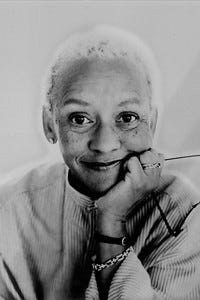
BLK History Month by Nikki Giovanni
Nikki Giovanni is a celebrated, prolific and award-winning poet. She has also written verse for children and non-fiction books about the struggle for equality. I thought it fitting to end BLK History Month with this poem.
Thanks for reading!
I love reading your words every week, Megan!!